
Abstract
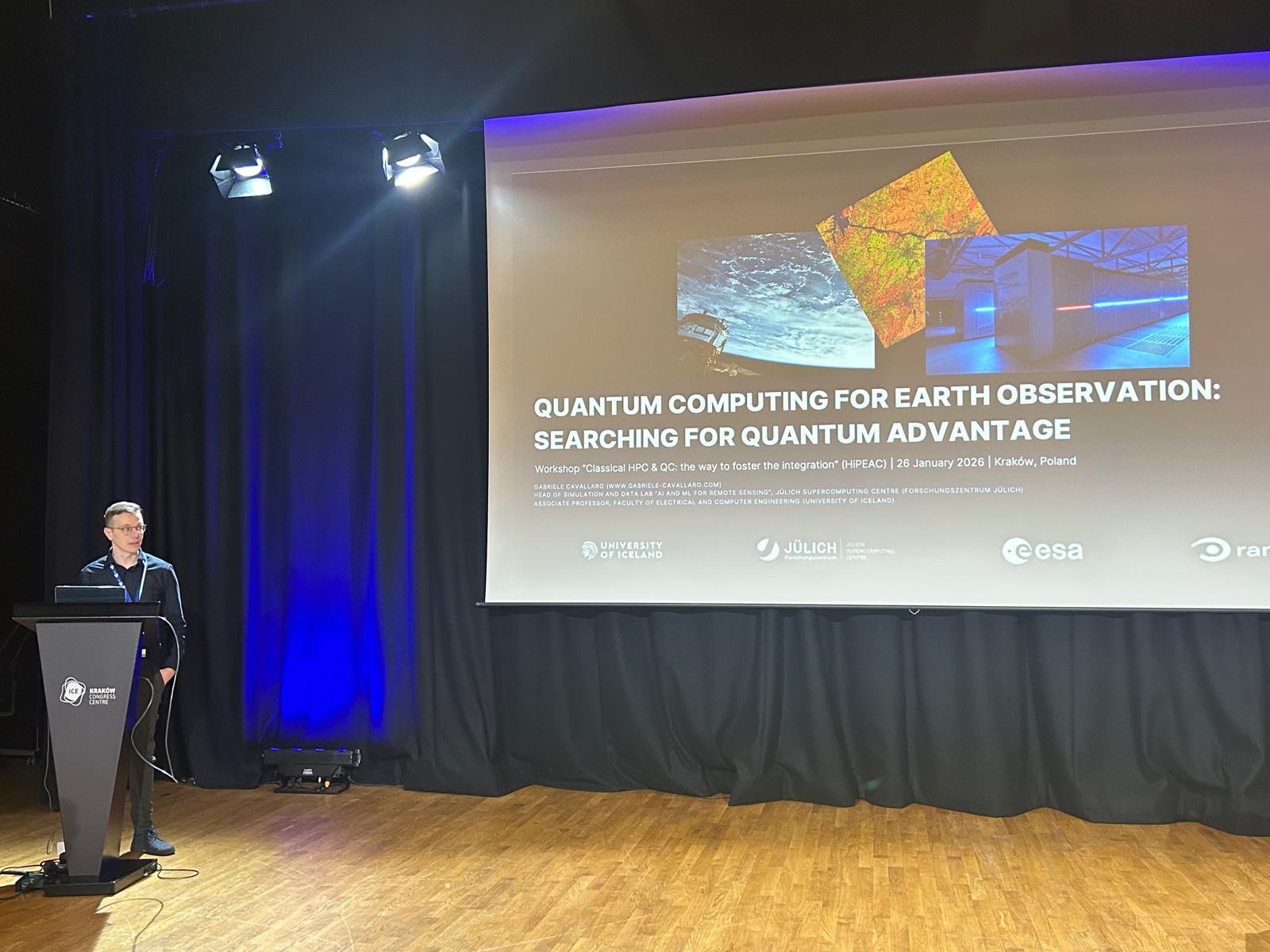
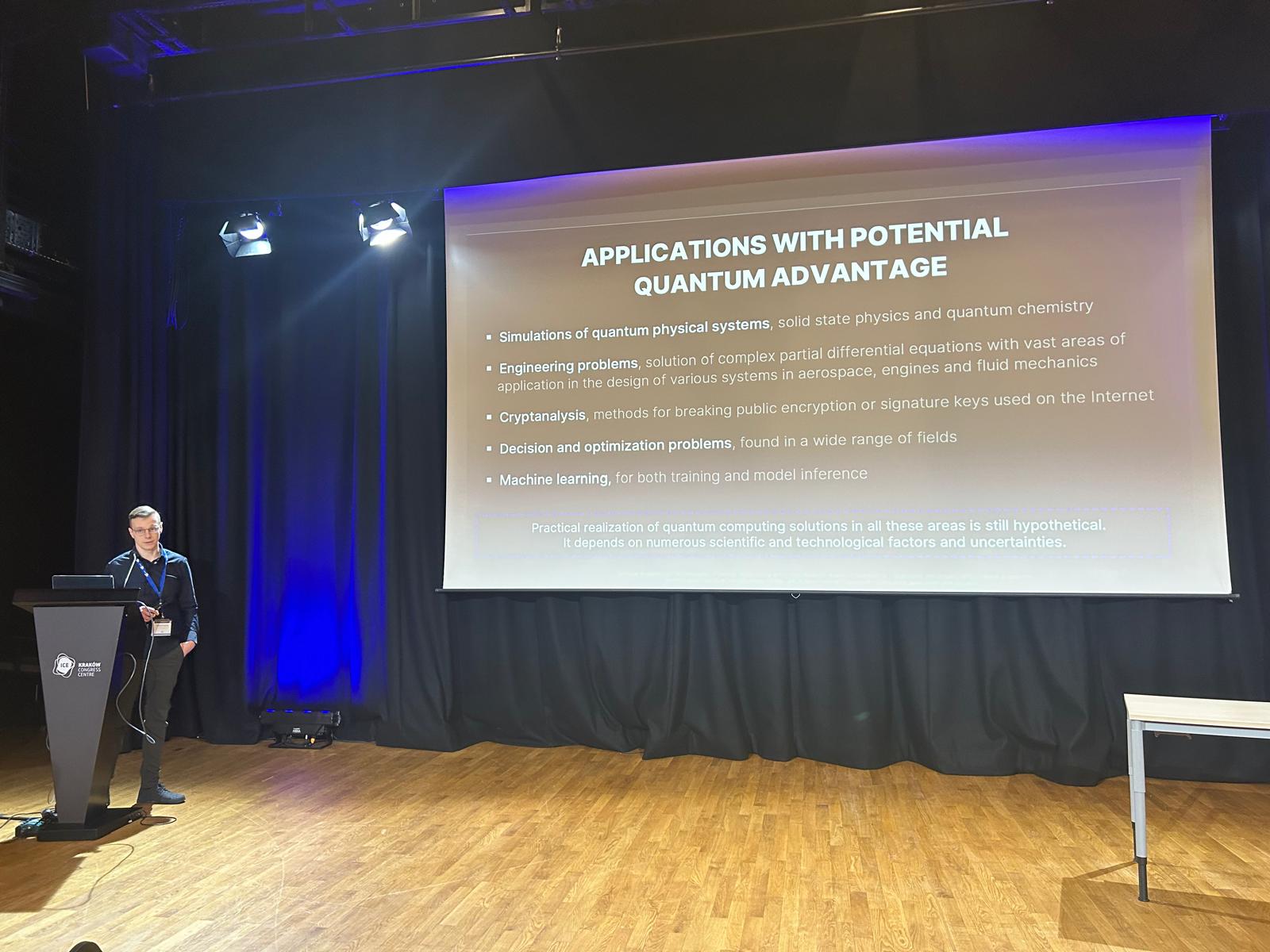
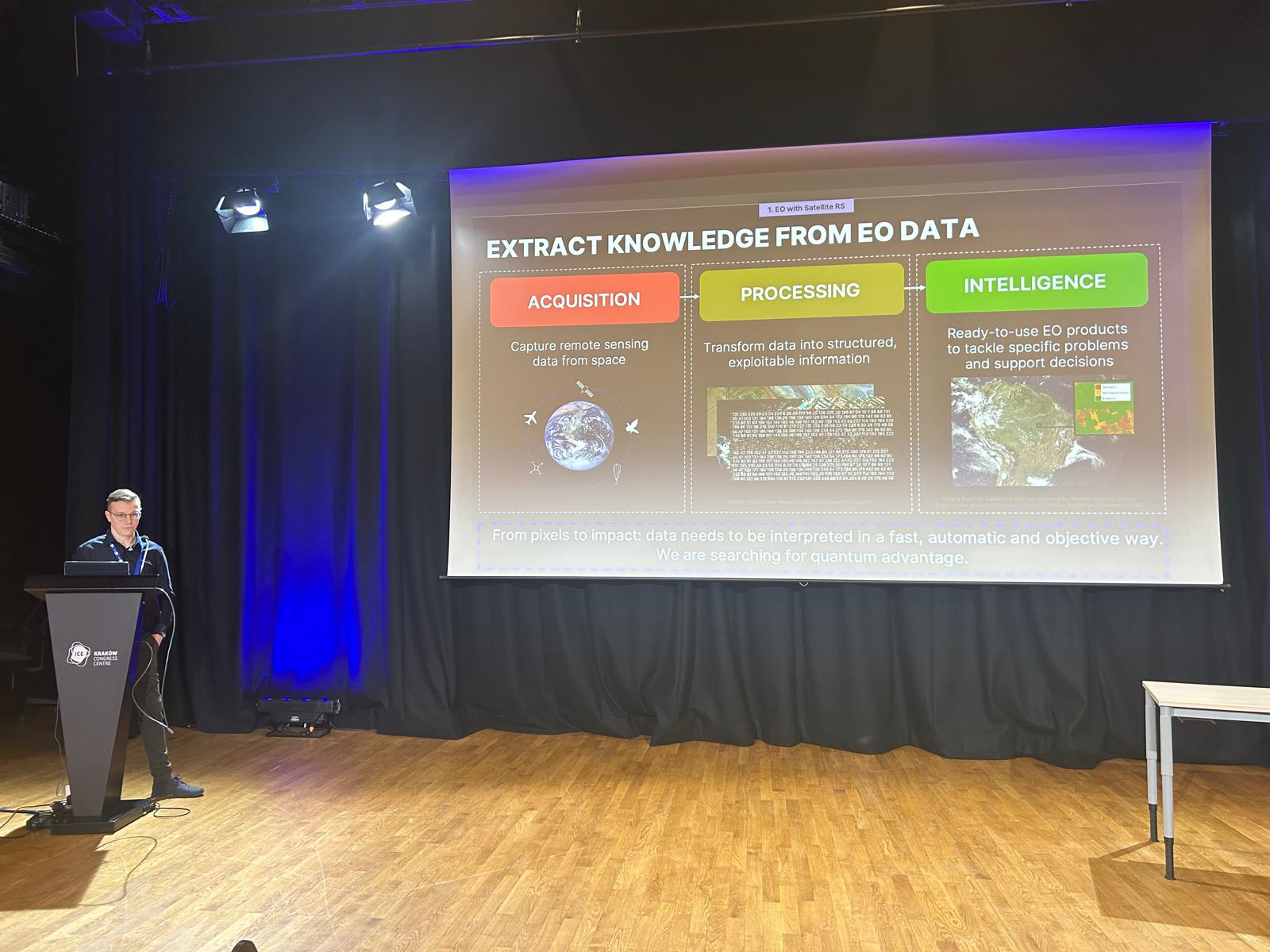
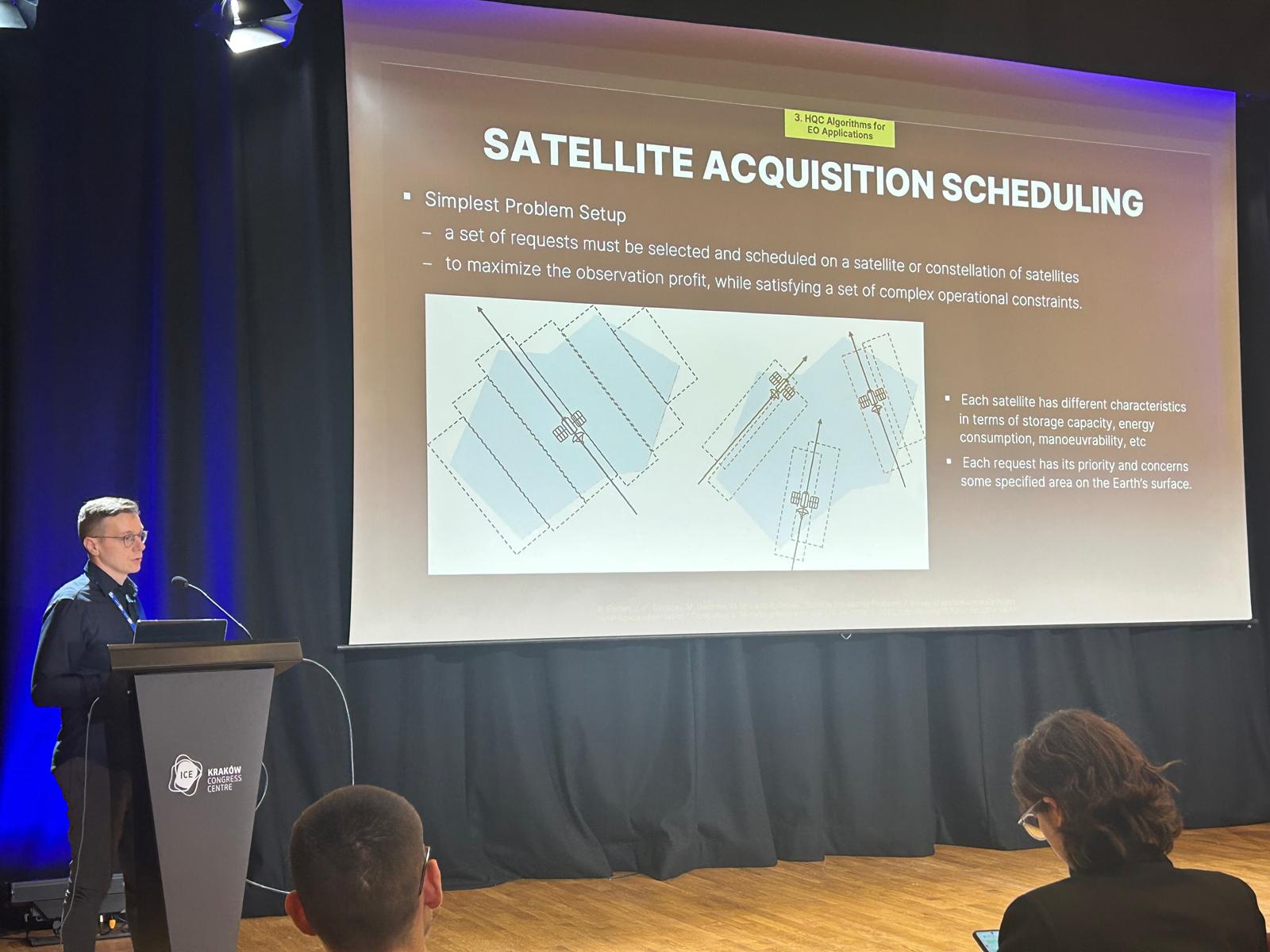
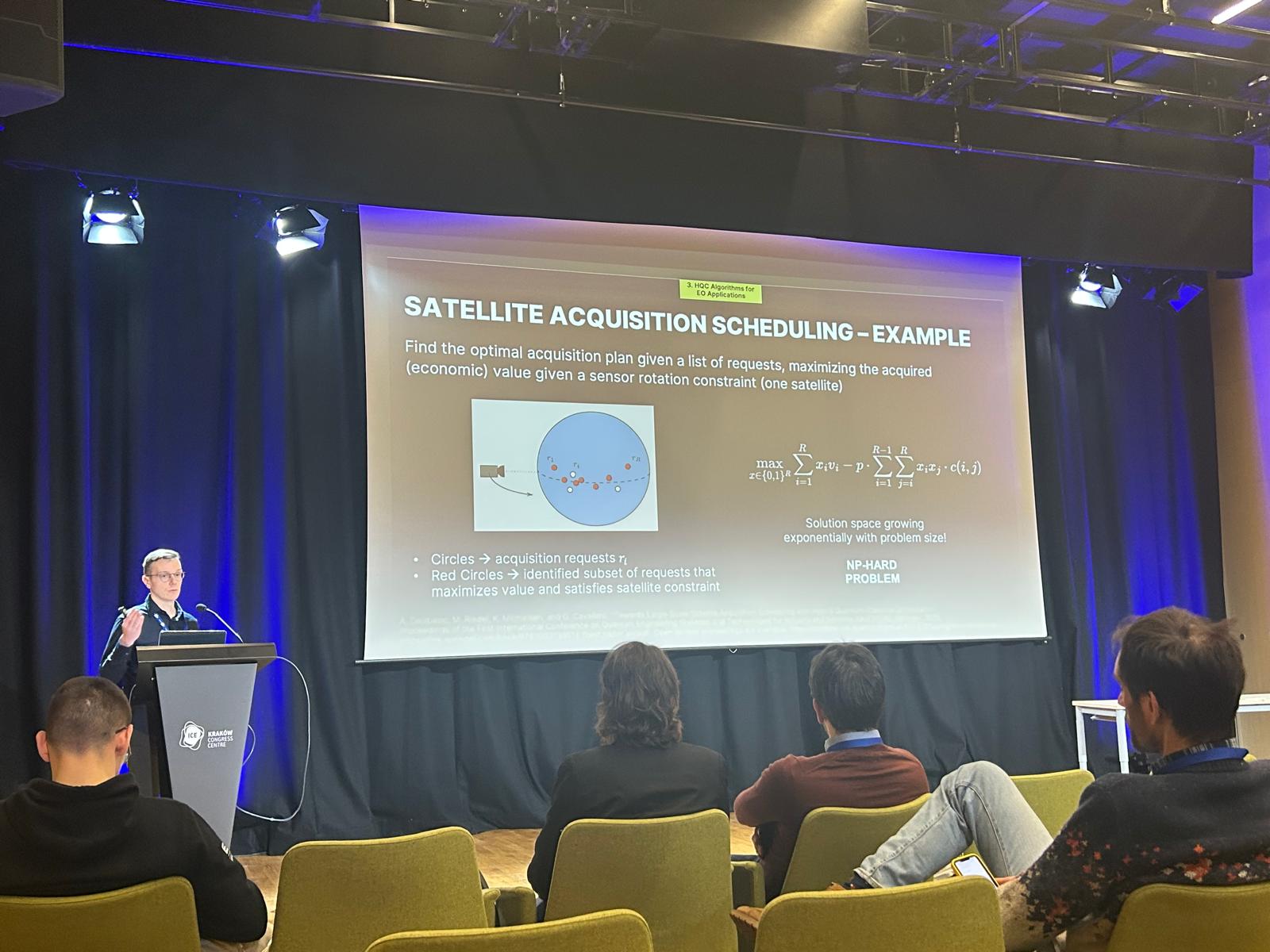
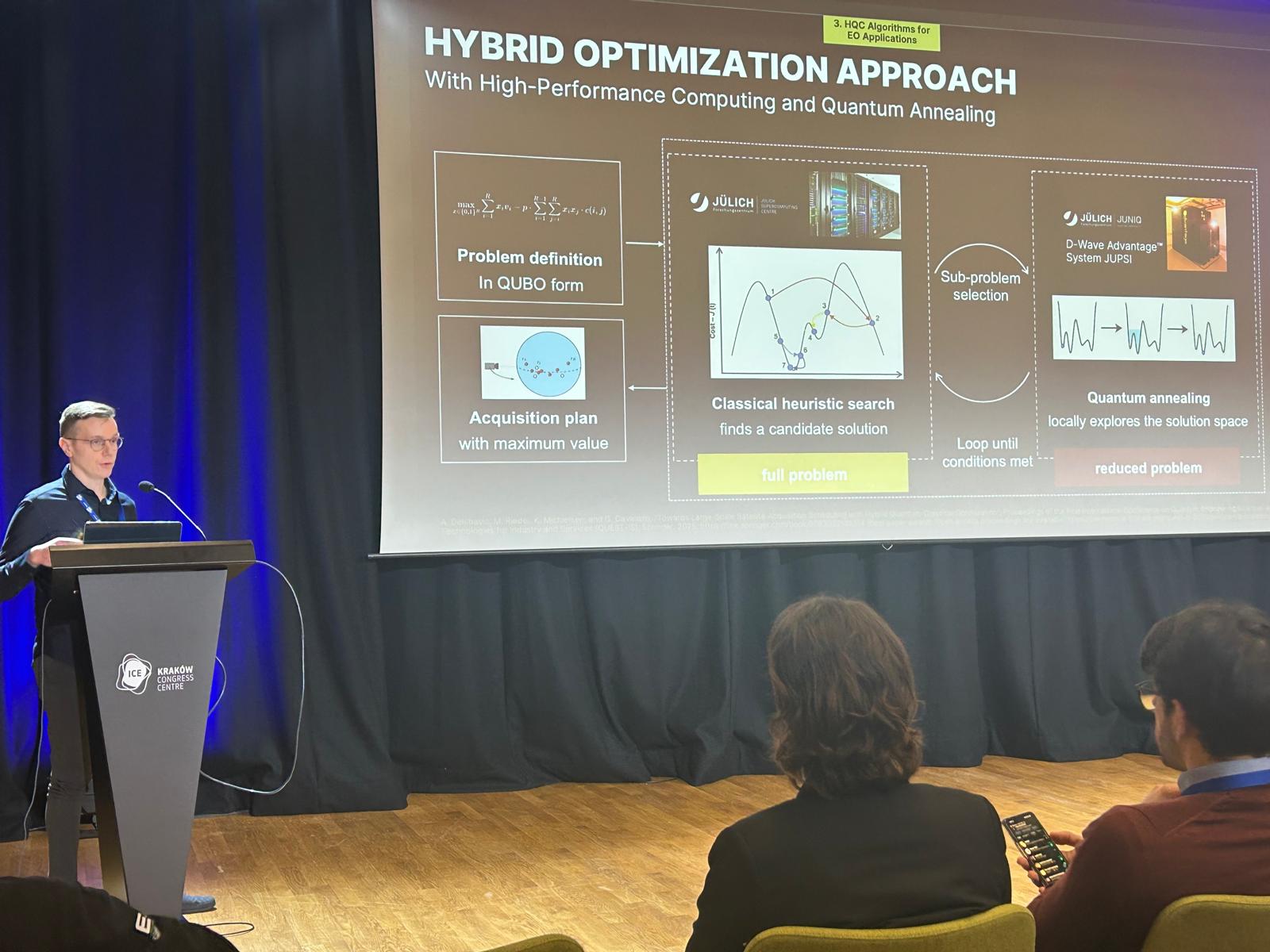
Quantum computing hardware is progressing rapidly, yet its concrete benefits for geoscience and remote sensing remain uncertain. In Earth observation (EO) applications, quantum methods have not yet demonstrated clear added value over state-of-the-art classical approaches. This talk reviews current trends, from early EO-specific algorithms to hybrid quantum-classical prototype workflows. It will discuss open challenges in demonstrating tangible advantages and outline criteria for identifying problem instances where quantum advantage might realistically emerge, as well as how supercomputing and quantum computing could be combined to tackle these problem classes in practice.
No items found.
